You have a document that needs a stamp, a deadline that will not move, and a choice that sounds simple until you try to make it. Do you go to the notary, or does the notary come to you? In Mt Holly, both options work for most everyday paperwork, but the right one depends on the document, the signer, and what is actually going wrong with your plan.
Think of this as troubleshooting, not shopping. Start with the problem in front of you. Is the signer unable to travel? Is the document part of a loan package with a lender deadline? Is there a witness problem, an ID problem, or a signature that has to happen after regular hours? Each symptom points to a different fix. Ms Christin's Notarization & Loan Signing offers mobile, in-office, and after-hours appointments, and the steps below help you sort which setting fits before you book.
Step one: name the real obstacle
Most scheduling trouble is not about distance. It is about one of four things. The signer has limited mobility, a hospital or work schedule, or small children at home and cannot get away. The document is time sensitive, such as a closing package that must be signed and returned the same day. More than one person has to sign in the same session, and coordinating everyone to one office is harder than bringing the notary to one table. Or the signing needs to happen early, late, or on a weekend.
If none of those apply and you have one or two short documents, an office visit is usually the simplest route. You travel, the signing is brief, and you leave with the completed certificate. If one or more of those obstacles is real, mobile service removes the coordination problem instead of asking everyone to work around it.

Work through the choice in order
- Count the signers and pages. A single affidavit with one signer travels easily to an office. A loan package with two borrowers and many signature lines is easier at a kitchen table or conference table where the papers can stay spread out in order.
- Check ID before you choose a place. Every signer needs acceptable, unexpired photo identification. Sorting an ID problem at home, before an appointment, is far better than discovering it in an office lobby.
- Ask whether witnesses are required. Some documents need witnesses in addition to the notary. If witnesses must be gathered, a mobile appointment at a location everyone can reach often solves the scheduling in one move.
- Look at the clock honestly. If the only open window is after work or on a weekend, plan for an after-hours or mobile appointment from the start rather than hoping a walk-in will work out.
- Consider the signer, not just the paper. An older parent, a patient, or someone recovering from surgery should not have to manage parking, waiting rooms, and travel for a ten-minute signing if a home visit is an option.
- Confirm the return path. Loan documents often need to go back by a scan or a shipping drop the same day. Ask how the signed package will be returned before you pick a time and place.
What suits an office visit
Office visits suit short, self-contained jobs. A single acknowledgment, a permission form for a child to travel, a vehicle title transfer where the state allows notarization, or a short affidavit can all be handled quickly when the signer is mobile and has valid ID ready. There are fewer moving parts, no travel time to schedule around, and no need to prepare a signing space at home.
An office setting also helps when you are unsure what you have. You can bring the unsigned document, ask whether it calls for an acknowledgment or a jurat, and let the notary look at the certificate wording before anyone signs. Do not sign in advance either way. The notary has to see the signature happen, in the office or at your table.
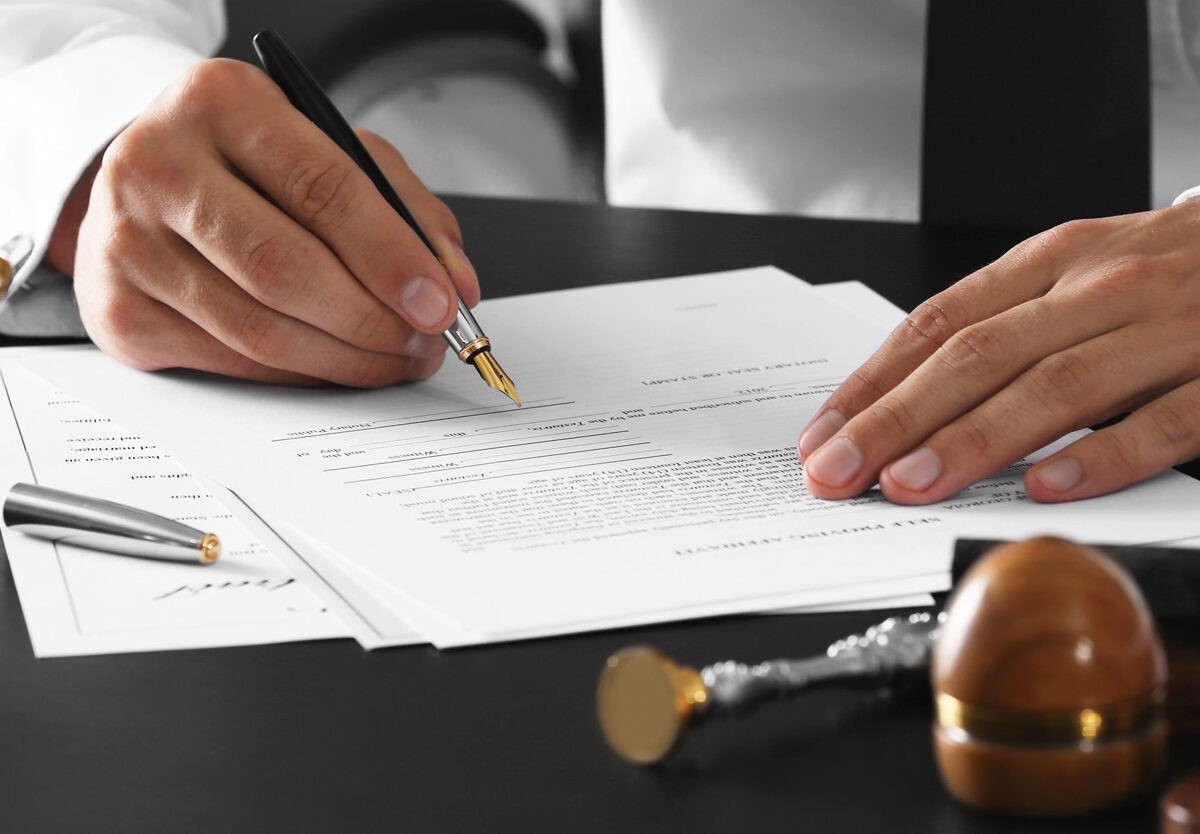
What suits a mobile appointment
Mobile appointments suit signings where place and timing are the problem. Real estate closings are the clearest case, because the package is large, the lender sets the deadline, and borrowers often sign at home in the evening. Estate documents, powers of attorney, and healthcare forms also suit mobile service when the signer is at home, in a care setting, or cannot travel comfortably.
Mobile service also suits groups. If three family members need to sign the same document, or a small business needs several officers to sign at the workplace, one mobile visit replaces three separate trips. The trade-off is planning. A mobile notary needs the address, parking or access details, a contact number for the day, and confirmation that all signers and any required witnesses will be present when the appointment starts.
Problems that neither setting fixes
Some issues stop a signing anywhere. Expired ID, a signer who cannot communicate that they understand and are signing willingly, a document with blank spaces that should be filled in first, or a signature that was already made before the notary arrived will all pause the appointment. So will a request for legal advice. A notary can explain the notarization itself, but cannot tell you which document you need or what legal effect it will have.
The fix in most of these cases is preparation, not location. Renew the ID, complete the document except for the signature, line up witnesses if the form calls for them, and have your questions for an attorney or the issuing agency answered before the notary sits down. Do that, and both mobile and office signings tend to be short and uneventful, which is exactly what you want.
Common questions
Should I sign the document before the notary arrives?
No. For both acknowledgments and jurats the notary needs to identify you and, for a jurat, watch you sign and swear to the contents. Bring the document completed but unsigned.
Can a mobile notary come to a hospital or workplace in Mt Holly?
Generally yes, if the facility allows visitors for that purpose and the signer can communicate clearly and sign willingly. Confirm access rules with the facility before booking the appointment.
How far ahead should I book?
As soon as you know the deadline. Simple office visits often fit sooner, while loan packages and after-hours mobile appointments need more lead time so ID, witnesses, and return shipping can be arranged.
Photos in this guide are representative stock images.
← All guides from Ms Christin's Notarization & Loan Signing← Back to Ms Christin's Notarization & Loan Signing