Not every notary appointment is a closing or a legal milestone. Most of the work is one page at a time: an affidavit for an insurance claim, a permission slip for a school or a trip, a form a new employer needs finished by a start date. These small jobs in Mt Holly are quick when you bring the right things and confusing when you do not, because each type of form asks the notary to do a slightly different job.
The decision that matters is not which stamp looks best. It is matching the form in your hand to what a notary is actually allowed to do with it. Some forms need notarization. One very common form, the I-9, does not get notarized at all, even though people ask for it constantly. The guide below sorts the everyday paperwork by situation so you know what to book and what to bring.
The everyday jobs, by situation
| Your situation | Document | What the notary does | Bring |
|---|---|---|---|
| Starting a remote job | Form I-9, Section 2 | Acts as an authorized representative to examine documents, not as a notary; no stamp is applied to the I-9 | Your unexpired List A document, or List B plus List C documents, in original form |
| Swearing a statement is true | Affidavit | Administers an oath and completes a jurat; you sign in front of the notary | The completed but unsigned affidavit and photo ID |
| Acknowledging you signed a document willingly | Deeds, agreements, some bank forms | Completes an acknowledgment certificate confirming identity and voluntary signing | The document and photo ID; sign as directed at the appointment |
| A child traveling or getting care without both parents | Consent or permission form | Usually an acknowledgment of the parent signature | The form, photo ID, and any second parent signature the form requires |
| Needing a true copy for a school or agency | Copy certification, where allowed | Compares the copy to the original and certifies it, for document types the state permits | The original document and the copy; ask first, since vital records are usually excluded |
The I-9 deserves its own explanation
The I-9 is the employment eligibility form every new hire completes. Section 1 is yours. Section 2 requires someone acting for the employer to physically examine your original identity and work authorization documents and record them. Employers often tell remote hires to find a notary for this, which causes the confusion, because notaries are easy to find and are used to checking ID.
But the I-9 is not notarized. There is no signature line for a notary seal, and stamping it can cause an employer to reject it. What you actually need is a person willing to serve as the employer's authorized representative for that section. Some notaries offer this as a separate service, including Ms Christin's Notarization & Loan Signing for general paperwork appointments, but it should be booked and described that way, not as a notarization. Bring originals, never photocopies, and confirm your employer's instructions before the appointment, since some employers use their own verification system instead.
Affidavits: the oath is the point
An affidavit is a written statement you swear is true. The notary's job is the jurat: confirm your identity, administer the oath, and watch you sign. That sequence is why you must never sign an affidavit at home and bring it in finished. A pre-signed affidavit cannot properly receive a jurat, and the fix is printing a fresh copy and signing again at the table.
Write the statement before the appointment and keep it factual. Names, dates, and what you personally know. A notary cannot help you word the statement or advise whether it will satisfy the court, insurer, or agency that asked for it. If the affidavit needs specific language, get that language from the requesting party first.

Acknowledgments and the small print
An acknowledgment answers a narrower question: is this the person named, and did they sign willingly? Many bank forms, vehicle and property documents, and business agreements use acknowledgment certificates. The wording is usually printed on the form or attached as a certificate page. If your document has no notarial wording at all, the notary cannot simply stamp the signature page. Ask the agency that issued the form which certificate they require, acknowledgment or jurat, because the signer does not get to pick at random and the notary cannot pick for you as legal advice.
For all of these small jobs, the habits are the same. Bring acceptable photo ID that matches the name on the document. Fill in every blank except the signature. Bring the whole document, not just the signature page. And if a form came from an employer, court, or agency, bring their instruction sheet too. Five minutes of that preparation turns a confusing errand in Mt Holly into a ten-minute appointment.
Common questions
Can a notary stamp my I-9 to make it official?
No. The I-9 has no notarial certificate and should not be stamped. Section 2 is completed by an authorized representative who examines your original documents.
I already signed my affidavit at home. Is that a problem?
For a jurat, yes. Print an unsigned copy and sign it in front of the notary after the oath. Bring the signed one along if you want to copy the wording exactly.
What ID should I bring for a one-page form?
Bring a current, government-issued photo ID such as a driver license or passport, with a name that matches the document. Expired ID is the most common reason small appointments get rescheduled.
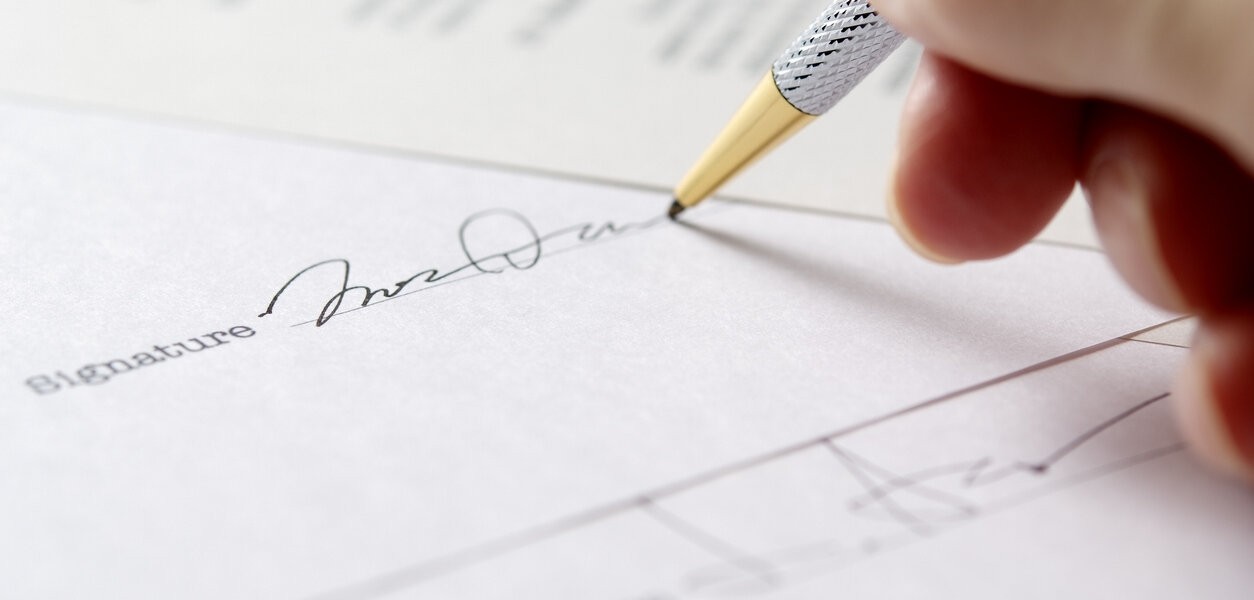
Photos in this guide are representative stock images.
← All guides from Ms Christin's Notarization & Loan Signing← Back to Ms Christin's Notarization & Loan Signing